Waste Powertech
Transforming waste into power through technology
Waste
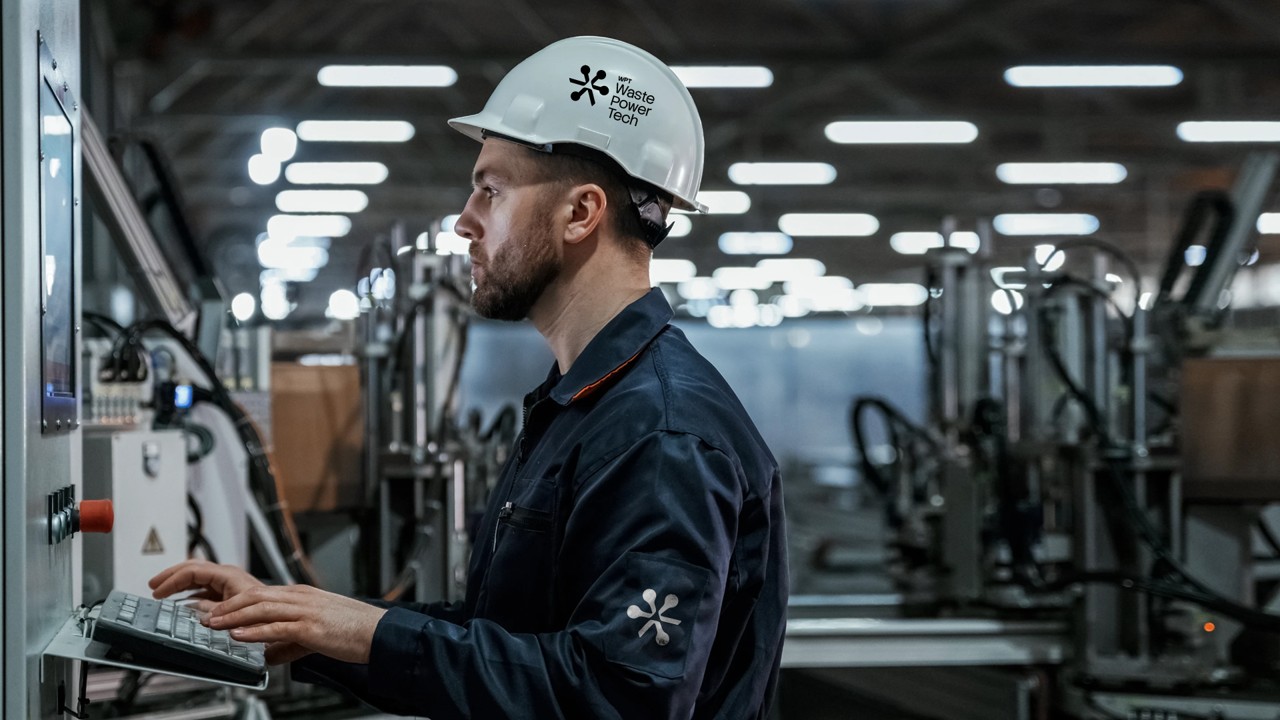
WPT processes varied waste streams—including municipal, industrial, and organic fractions—through a controlled, parametric system that maintains operational stability despite material heterogeneity. This method integrates diverse waste typologies into a single technological flow, converting variable inputs into predictable feedstock for energy recovery.
Power
The system converts waste into synthesis gas (syngas), which is subsequently used for electricity generation through high-efficiency internal combustion engines. At an average calorific value of approximately 14 MJ/kg, the process enables the production of around 1 MWh of electricity per tonne processed (depending on conversion efficiency), ensuring continuous operation and stable injection into the National Power System (NPS) through automated monitoring and control of operational parameters. Through this integration, the installation contributes to the stability and resilience of the local energy infrastructure.
Tech
Molecular disintegration is a thermochemical process that fragments the chemical bonds of complex organic structures in a controlled, oxygen-free environment to produce synthesis gas. Unlike direct combustion, this method reduces waste to its elemental components, resulting in a filtered energy carrier and a stabilized mineral residue suitable for industrial reuse.
Operational Reference: Cluj Molecular Disintegration Station
The Cluj Molecular Disintegration Station serves as the primary functional reference for WPT technology in an active environment. This implementation demonstrates the feasibility of the molecular disintegration method at an operational scale, providing a validated and documented foundation for structural replication across other municipal and industrial sites.
Institutional (B2G)
WPT provides public authorities with a certified framework for municipal waste management that replaces traditional landfilling with controlled energy recovery. The process operates through molecular disintegration—a non-combustion thermochemical method—ensuring full compatibility with European environmental regulations and providing a verifiable, auditable solution for regional waste-to-energy targets.
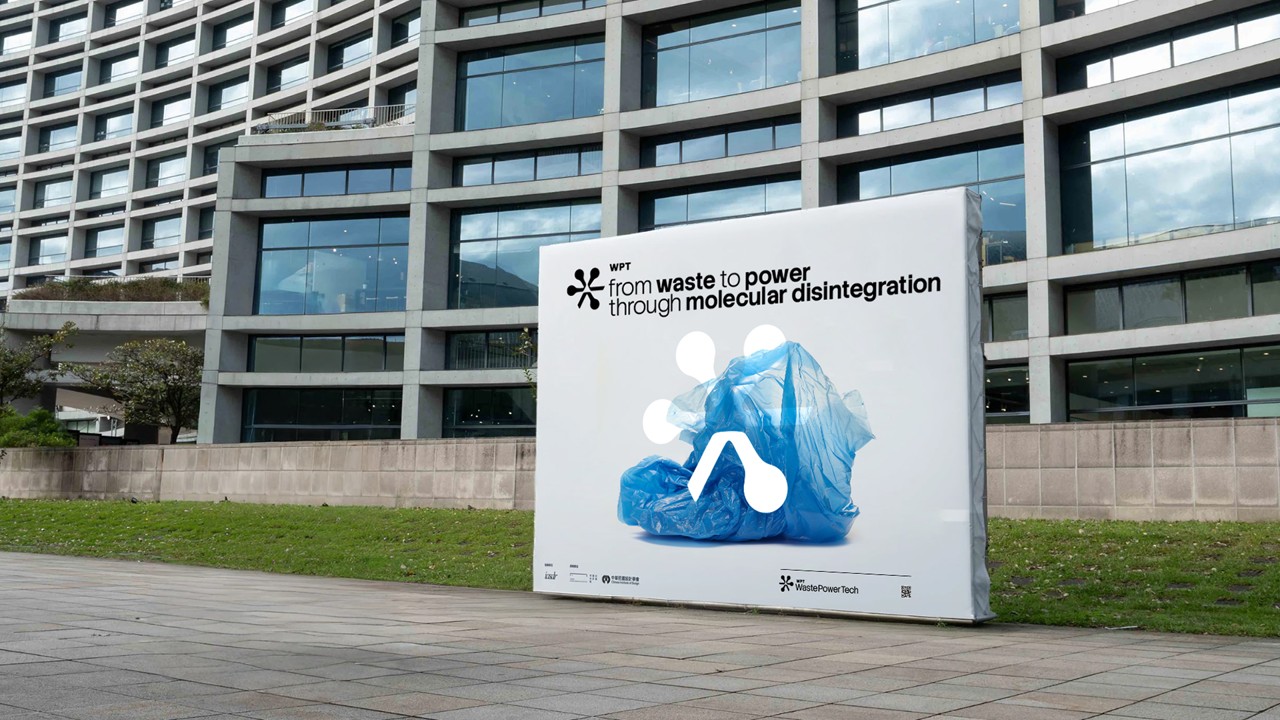
Industrial (B2I) Business (B2B)
The WPT system enables industrial operators to convert heterogeneous waste streams into stable electrical and thermal energy assets on-site. Designed for operational scalability, the technology integrates with existing industrial infrastructure to process complex residues, delivering a measurable increase in resource efficiency and reducing systemic dependence on external power supplies.