


Government and Institutional (B2G)
Technical solutions for municipal waste management and energy resilience. Designed for regulatory compliance, risk mitigation, and verifiable recovery targets.

01 / 05
1. Strategic Waste Diversion & Landfill Mitigation
WPT provides a technical solution for the systematic reduction of municipal waste volumes, diverting up to 95% of processed materials from landfilling. By addressing hard-to-recycle and contaminated fractions at the chemical level, the system enables local authorities to meet mandatory European targets for waste recovery and circular economy integration.

02 / 05
2. Emission Control & Regulatory Compliance
The molecular disintegration process operates as a closed-loop system, utilizing multi-stage gas cleaning to prevent uncontrolled atmospheric emissions. All operational parameters are monitored via PLC/SCADA systems, ensuring documented compliance with ISO 14001 standards and European Union Industrial Emissions Directives (IED).
03 / 05
3. Decentralized Energy Resilience
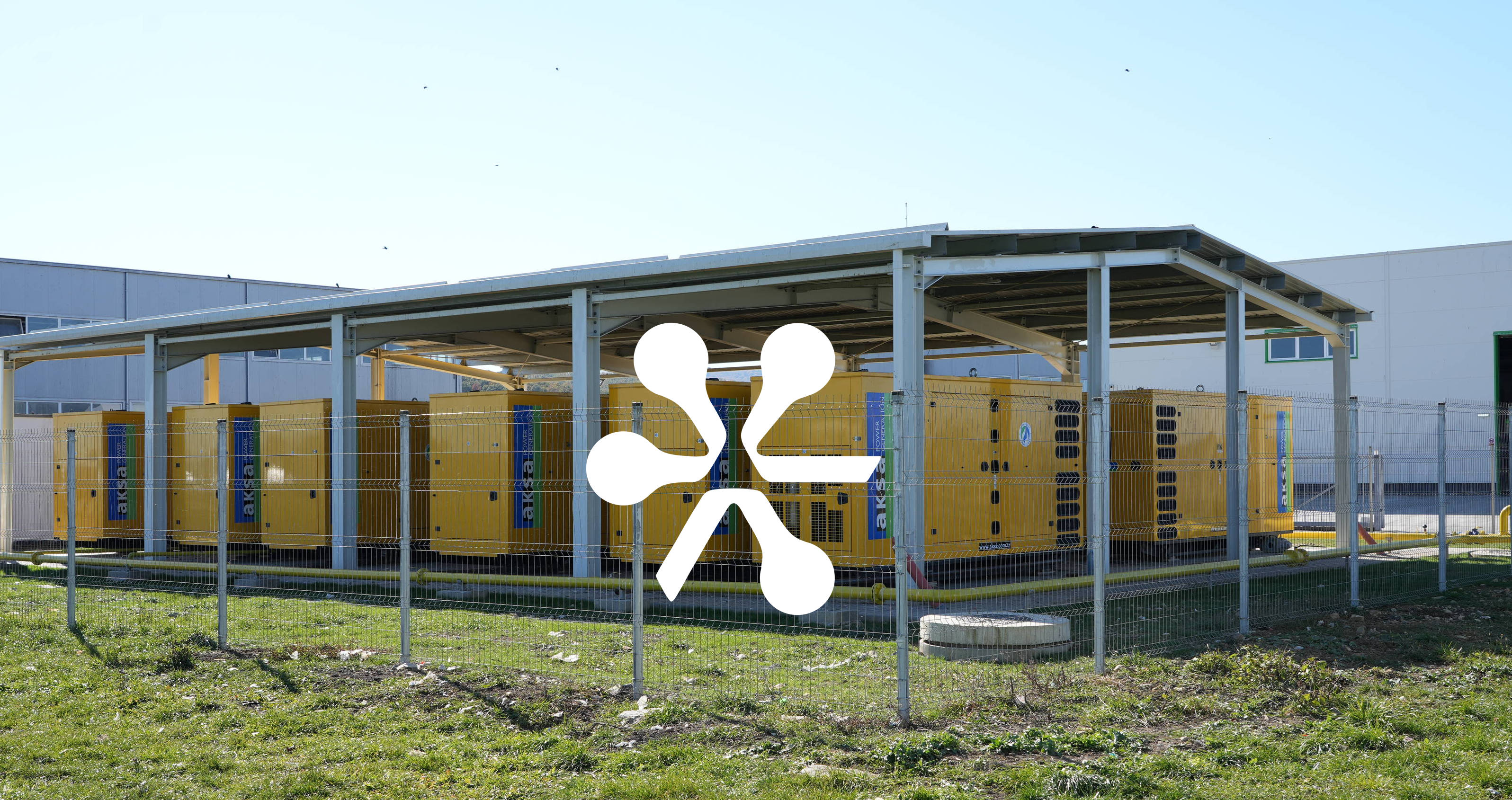
By converting municipal waste into synthesis gas, the WPT facilities within the CMID Cluj project generate approximately 18.500 MW of electricity annually. This allows municipalities to establish localized, predictable energy sources, reducing dependence on external grid volatility and contributing to regional energy security frameworks.
04 / 05
4. Regional Economic Impact & Skill Development
Each WPT implementation functions as an economic driver, creating direct specialized roles for the operation of advanced thermochemical systems. These projects support local technical skill development through structured training programs and stimulate indirect employment in logistics, maintenance, and auxiliary municipal services.

05 / 05
B2G "Refraction" Principles
Institutional principle: WPT operates as a technical authority rather than a commercial vendor. In the public sector, clarity is a responsibility and transparency is a functional requirement.
Method over Promise: Performance is supported by verifiable data rather than general performance claims. Energy yield is clearly stated (approximately 1 MWh per tonne of waste processed at a calorific value of 14 MJ/kg), based on measured technical parameters.
Technological and Regulatory Clarity: Molecular disintegration is explicitly defined as a controlled thermochemical fragmentation process, distinct from incineration, ensuring regulatory clarity and transparent public communication.
Risk Mitigation through Integration: Each installation is designed as a modular, replicable system optimized for stable integration into existing municipal logistics chains, minimizing operational and deployment risks.